
Live-in Caregiver Jobs: Sponsorship & Free Rent Explained
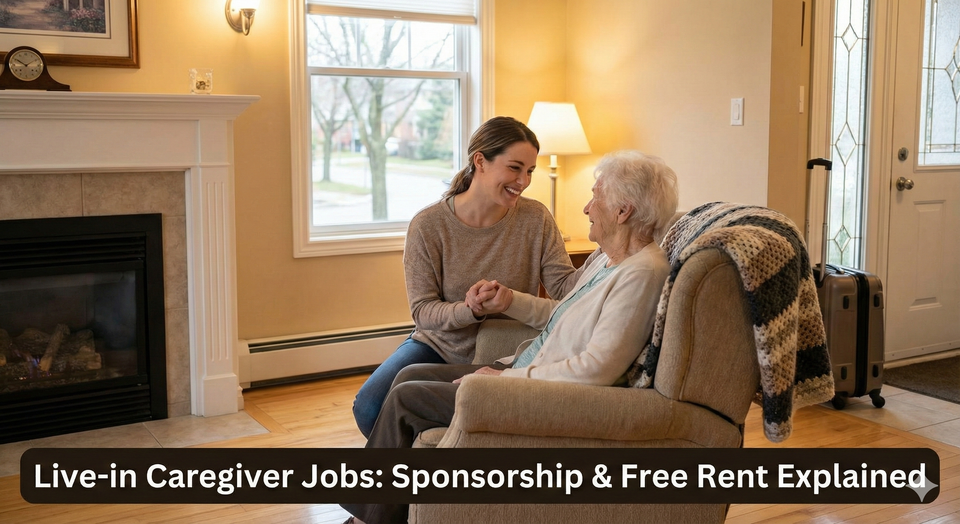
For decades, the "Live-in Caregiver" program was the most popular way for foreign workers to come to Canada. It had a bad reputation because you were stuck living with your boss.
In 2026, the rules have flipped.
You are no longer required to live in your employer's home to qualify for a visa. However, many caregivers choose to live in because of one massive financial perk: Free Rent.
In cities like Toronto or Vancouver, where a bachelor apartment costs $2,000 a month, finding a family that offers "Room and Board" as part of the job is like getting a $24,000 raise.
Plus, the government has launched a new "PR on Arrival" pilot that allows qualified caregivers to land in Canada as Permanent Residents immediately, skipping the years of uncertainty.
If you have experience with children or the elderly, here is your guide to the most valuable entry-level job in Canada.
1. The New Rules: "PR on Arrival" (2026 Pilot)
Stop listening to old advice. The "2-year work permit" path is being replaced.
The New "Home Care Worker" Pilots:
As of late 2025/2026, Canada’s new pilot programs for Home Child Care Providers (NOC 44100) and Home Support Workers (NOC 44101) grant Permanent Residence upon arrival if you meet the criteria.
- The Big Change: You do not need to work in Canada for 12 months first. You arrive with PR status.
- The Requirement: You need a valid job offer from a Canadian family (or agency), CLB 4 English, and relevant experience.
- The Benefit: Because you have PR, you can quit a bad employer without losing your status. You are not "trapped."
2. The "Free Rent" Loophole (Live-in vs. Live-out)
Here is where the money is.
Option A: Live-Out (The Standard)
- Pay: $19.00/hour.
- Rent: You pay $1,800/month for your own apartment.
- Commute: You pay $150/month for the bus.
- Savings: Almost zero.
Option B: Live-In (The Saver)
- Pay: $19.00/hour.
- Rent: $0.00 (In most provinces, employers cannot charge you room and board if it is a condition of employment).
- Food: Often included (family meals).
- Commute: 30 seconds (Walking downstairs).
- Savings: You can save $2,000+ per month.
Warning: Legally, an employer can charge for room and board in some provinces if living in is optional. However, most families offer free housing as a bonus to attract good staff because they desperately need the help. Always negotiate this before signing the contract.
3. Who is Hiring? (Families vs. Agencies)
You have two types of employers. Each has pros and cons.
1. Private Families (Direct Hire)
- The Job: Nanny for 2 kids or Companion for an elderly parent.
- The Vibe: Informal. You become "part of the family."
- The Risk: Boundaries. It is hard to say "I'm off the clock" when the baby is crying at 8:00 PM.
- Where to find them: CanadianNanny.ca, Care.com, or Facebook Community Groups (e.g., "Toronto Moms Group").
2. Agencies (The Corporate Route)
- The Job: You work for a company like Nurse Next Door or Comfort Keepers. They send you to different homes.
- The Vibe: Professional. You wear a uniform. You clock in and out.
- The Housing: They rarely offer live-in options. This is usually a "Live-Out" job.
- Internal Link: If you want an agency job, check our Companies Hiring Newcomers list.
4. How to Spot a "Sponsorship" Scam
Caregivers are the #1 target for immigration scams.
The Golden Rule: A real family cannot ask you for money to hire you.
- The LMIA Fee: If the family needs an LMIA (Labour Market Impact Assessment), THEY must pay the $1,000 fee. If they ask you to pay it, it is illegal.
- The "Nanny Agent": If a recruiter asks for $5,000 to "match" you with a family, run.
- Internal Link: Read our Fake Job Ad Safety Guide to see examples of fake nanny ads.
Comparison Table: Private Nanny vs. Agency Worker
| Feature | Private Family Nanny | Agency Caregiver |
| Rent Cost | Often Free (Live-in) | Full Market Rent |
| Pay Rate | $17 - $20/hr | $19 - $24/hr |
| Hours | Flexible (often overtime) | Strict Shifts |
| Stability | Low (Kids grow up) | High (Multiple clients) |
| Visa Path | Direct PR Pilot | Standard Work Permit |
Practical Questions Answered
"Can they force me to work 24/7?"
NO.
This is the biggest myth. Even if you live in the house, you are an employee.
- The Law: You must be paid for every hour you work. If you are "on call" (sleeping with a baby monitor), that counts as work hours in many provinces.
- The Fix: Sign a contract that clearly states your hours are 9:00 AM to 5:00 PM. If they ask you to babysit on Friday night, that is Overtime (1.5x pay).
"Do I need a nursing degree?"
No.
- For Child Care: You usually need First Aid/CPR and 6 months of experience (or a short course).
- For Elderly Care: You do not need to be a Registered Nurse (RN). You are a "Home Support Worker." You help with cooking, cleaning, and companionship, not medical procedures.
"Is the food really free?"
Usually.
Most live-in contracts include a clause for "Room and Board."
- Street Tip: Be careful if the family has a very different diet than you. If you hate spicy food and they eat curry every night, you will end up buying your own groceries anyway.
Frequently Asked Questions
Can I bring my family with me?
Yes. Under the new 2026 Caregiver Pilots, family reunification is a priority. You can include your spouse and dependent children on your application. Your spouse may be eligible for an Open Work Permit, allowing them to work anywhere in Canada to help support the household.
What is the median wage for caregivers in 2026?
The median wage varies by province but generally sits between $18.00 and $22.00 per hour.
- Ontario: ~$19.00/hr.
- British Columbia: ~$20.00/hr.
- Alberta: ~$18.50/hr.Employers must pay you at least the median wage to get their application approved.
Does "Au Pair" count as a caregiver job?
Technically, no.
"Au Pair" is usually a cultural exchange program for young people (under 30) on a Working Holiday Visa. It pays "pocket money" and is not a formal job path to PR. If you want Permanent Residence, you need a formal job offer as a Home Child Care Provider (NOC 44100).
Can men be live-in caregivers?
Absolutely. While the industry is female-dominated, there is a huge demand for male caregivers, especially for elderly men who need physical assistance (lifting/mobility) or companionship. Male applicants often find work faster in the "Home Support Worker" category.
About the author
Jeff Calixte (MC Yow-Z) is a Canadian career researcher and digital entrepreneur who studies hiring trends, labour market data, and real entry-level opportunities across Canada. He specializes in simplifying the job search for newcomers, students, and workers using practical, up-to-date information.
Sources
- Government of Canada (Caregiver Immigration): https://www.canada.ca/en/immigration-refugees-citizenship/services/immigrate-canada/caregivers.html
- CanadianNanny.ca (Wage Calculator): https://canadiannanny.ca/
- Ontario Ministry of Labour (Domestic Workers Rights): https://www.ontario.ca/document/your-guide-employment-standards-act-0/domestic-workers
Note:
Job availability, wages, and hiring conditions can vary widely by province, employer, season, and experience level. All salary ranges and job examples in this guide are estimates based on current labour market data. Always confirm details directly with the employer before applying.